
A premium T-shirt can look simple. The difference is often hidden in the fibre, fabric weight and finish.
Mercerised cotton is known for its smooth surface, richer colour and subtle lustre. But not every mercerised cotton T-shirt is made in the same way. When cotton is treated with liquid ammonia rather than relying only on conventional caustic mercerisation, the fabric can become softer, more stable, and more comfortable while keeping cotton’s natural breathability.
That is why South Ethos chose ammonia-mercerised Supima cotton for a refined everyday tee—quiet in appearance and considered in construction.
What is mercerised cotton?
Mercerisation is a controlled textile-finishing process that changes the structure of cotton fibres. Conventional mercerisation generally treats cotton with a sodium hydroxide solution while the yarn or fabric is held under tension. This causes the fibres to swell and become smoother and more uniform.
The result is cotton that can offer:
- a cleaner, smoother surface;
- improved dye absorption and richer-looking colour;
- greater strength;
- better dimensional stability; and
- a subtle, silk-like lustre.
Mercerisation does not turn cotton into a synthetic fabric. It refines the cotton itself.
What is ammonia-mercerised cotton?
Ammonia mercerisation uses liquid ammonia to penetrate and relax the cotton fibre in a controlled finishing process. It can produce a soft, supple hand while improving crease recovery and helping the fabric return to shape.
The aim is not a glossy or artificial finish. In a well-made T-shirt, the effect is more restrained: a smoother touch, a cleaner drape and a polished surface that still feels like cotton.
South Ethos uses a double-sided ammonia-mercerised finish, refining both faces of the fabric rather than focusing only on what is visible from the outside.
Regular mercerised cotton vs ammonia-mercerised cotton
Both processes can improve cotton, but they create a different balance of qualities.
| Quality | Regular mercerised cotton | Ammonia-mercerised cotton |
|---|---|---|
| Feel | Smooth, often slightly crisp | Smooth, soft and supple |
| Appearance | Clear colour with noticeable lustre | Refined colour with a more understated sheen |
| Shape | Improved stability | Strong shape recovery and dimensional stability |
| Creasing | Better than untreated cotton | Enhanced crease recovery |
| Best suited to | Polished cotton garments and yarns | Premium garments where softness, drape and shape matter together |
Neither process guarantees a better garment; fibre quality, knitting, fabric weight and construction all matter. For a premium everyday T-shirt, however, ammonia mercerisation offers softness without flimsiness, polish without excessive shine and structure without stiffness.
Why ammonia mercerisation works so well in a T-shirt
1. A smoother feel against the skin
A T-shirt sits directly against the body, so surface feel matters. Ammonia mercerisation refines the fabric surface, creating a smoother hand without the slippery character of a synthetic performance fabric.
2. Better shape retention
Repeated washing and wear can cause ordinary cotton tees to twist, shrink, or lose their shape. Mercerisation improves dimensional stability, while liquid-ammonia finishing can further support crease recovery and shape.
3. A cleaner, quieter finish
Mercerised cotton reflects light more evenly than untreated cotton. With ammonia finishing, the effect can feel subtle rather than shiny—well suited to minimal design and understated quality.
4. Richer, more even colour
A smoother fibre surface and improved dye affinity help colour appear clearer and more consistent—especially in simple wardrobe colours, where the finish becomes part of the design.
5. Greater resistance to everyday wear
Loose, short fibres often contribute to surface fuzz and pilling. Extra-long staple cotton and a refined finish help create a smoother surface. The South Ethos tees are designed to resist pilling and wrinkling while maintaining their appearance.
Why pair ammonia mercerisation with Supima cotton?
Finishing can refine a fabric, but it cannot replace a good raw fibre. Supima cotton is valued for its extra-long staple fibres, which can be spun into smoother, stronger yarn with fewer protruding fibre ends.
That makes it a natural match for ammonia mercerisation. Supima provides the foundation—softness, strength and smoothness—while the finish enhances the fabric’s hand and stability.
South Ethos brings these elements together in a balanced 220 GSM fabric. It feels substantial and structured without giving up cotton’s natural softness and breathability.
Explore the South Ethos Supima Mercerised Classic Tee
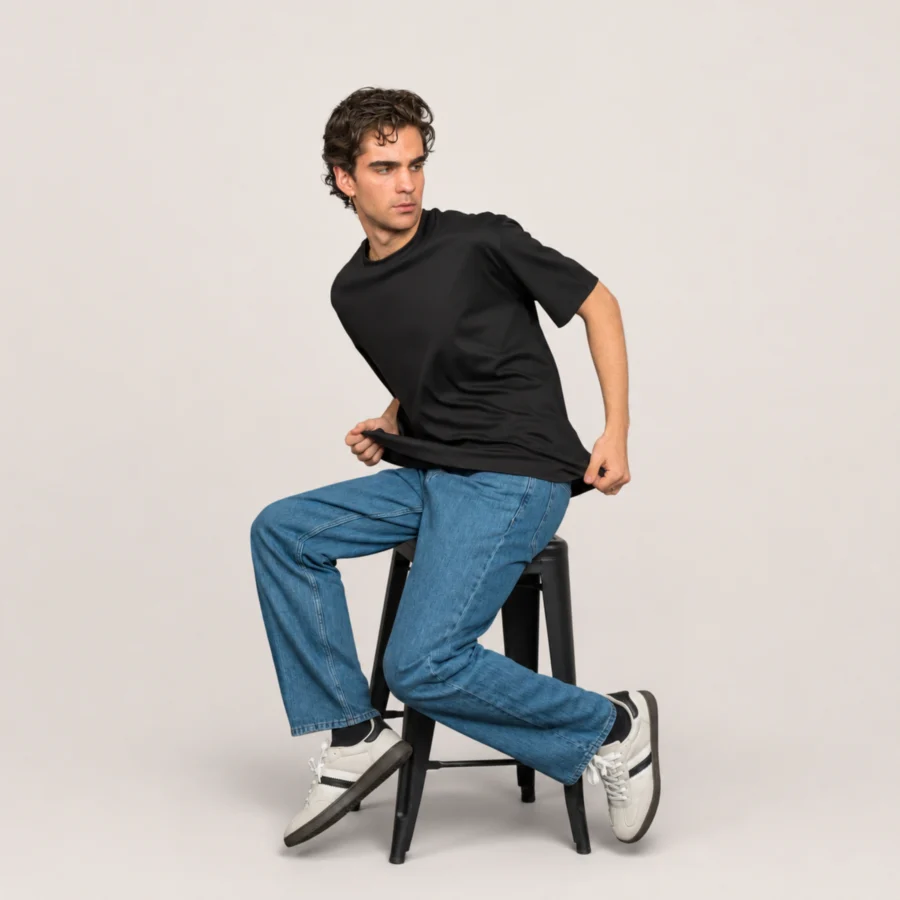
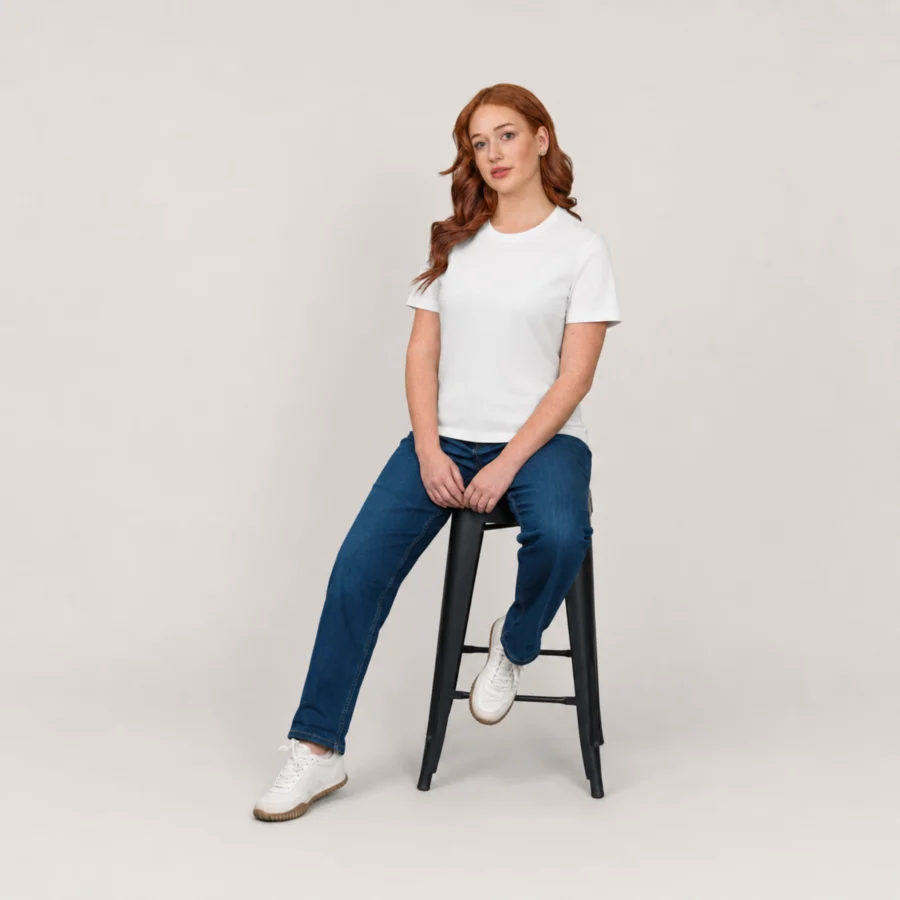
For a clean silhouette and a premium natural-fibre feel, explore the men’s Supima Mercerised Classic Tee and the women’s Supima Mercerised Classic Tee. Both use 220 GSM Supima cotton fabric with a double-sided ammonia-mercerised finish, designed for softness, strength, breathability and lasting shape.
Frequently asked questions
Is mercerised cotton still breathable?
Yes. Mercerisation changes the structure and finish of cotton; it does not turn it into a synthetic fibre. Breathability also depends on fabric weight, knit and fit.
Does ammonia-mercerised cotton shrink?
The process improves dimensional stability, but no cotton garment is immune to heat. Follow the care label and avoid excessive washing or drying temperatures.
Is ammonia-mercerised cotton shiny?
It can have a refined lustre, but it should not look glossy. Think smoother, cleaner and more polished than ordinary cotton.
The difference is in the finish
A better T-shirt does not need to look complicated. It needs the right fibre, thoughtful fabric weight and a finishing process chosen for how the garment will actually feel and wear.
Ammonia-mercerised Supima cotton brings those details together: smooth but natural, structured but comfortable, polished but understated. Plain. Simple. Better.